





If you’ve been browsing design magazines or scrolling through kitchen inspiration boards lately, you’ve likely seen a rising trend in decorative details in the home. Instead of cookie-cutter kitchen designs, homeowners are looking for ways to create more lived-in, personalized spaces. A recent feature in Architectural Digest highlighted how decorative cutouts in a cabinet door can add character and visual interest. But decorative details go far beyond cutouts. From glass doors and open shelving to inset cabinetry and contrasting finishes, there are countless ways to create a home that feels more curated and personalized.
While integrated cutouts and decorative details look stunning in a high-end architectural photo shoot, how practical are they for real-world Upstate kitchens? Let’s look at the appeal, the everyday realities, and how to build a kitchen that lasts.
The Appeal: Why Decorative Details Make a Space Feel More Intentional
There is no denying the visual draw of decorative details:
Curated Look: Small details can help move a space away from a standard or expected look and toward something that feels more custom and thoughtfully designed. It is a way to incorporate architectural details or decorative elements from other areas of the home.
Depth and Visual Interest: Not every cabinet needs to look the same. Adding different detailed elements can break up a long run of cabinetry and add depth by creating intentional focal points.
The Practical Reality: More Detail Isn’t Always Better
While decorative cabinetry can create a beautiful, custom look, consider a few things when designing with these features.
1. Cleaning & Maintenance Challenges
Open shelving and glass doors can beautifully display dishes and décor, but these items will always be seen. This means homeowners may need to be more intentional about what they store in these areas and how often they clean them.
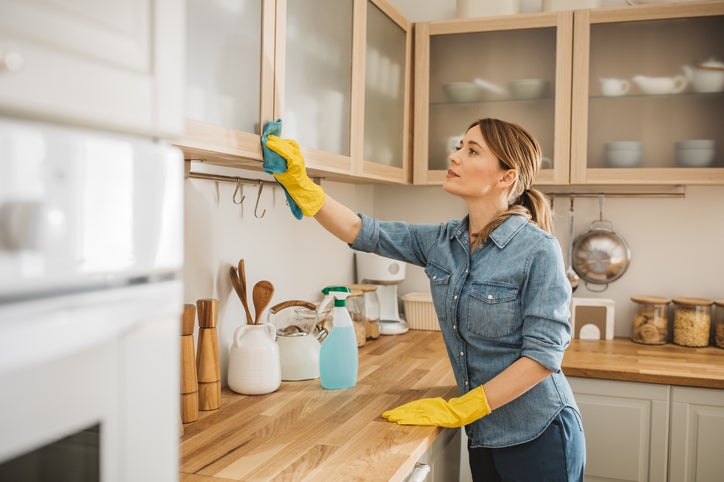
Keeping up on cleaning can be taxing
The Pro: Creates visual interest and opportunities to showcase personality.
The Con: May require more organization and maintenance than fully enclosed cabinetry.
2. Competing or Overused Details
When every cabinet includes a unique feature, the overall design can begin to feel busy.
The goal isn’t to add detail everywhere, but to use it strategically. A glass cabinet, contrasting island, decorative cabinet section, or inset door style can have more impact when surrounded by simpler elements.
The Pro: Thoughtful details can create beautiful focal points.
The Con: Too many competing details can make a space feel overwhelming.
3. Daily Function
A beautiful space still needs to function well for everyday life.
Open shelving may be ideal for frequently used dishes, while less frequently used or less attractive items may be better stored behind closed doors. Glass doors can showcase beautiful collections while still providing enclosed storage.
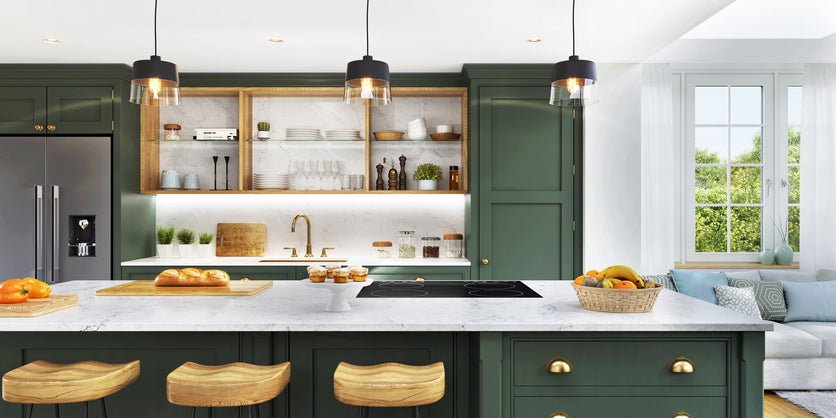
Open shelving
The Pro: Details can enhance the appearance and function of a room when used intentionally.
The Con: Choosing a feature based only on appearance may not always provide the best long-term functionality.
Built for Real Life: Achieving the Look with Trusted Brands
At GNH Lumber & Home, we partner with industry-leading cabinet manufacturers—Omega, KraftMaid, and Fabuwood—because they deliver exceptional quality, rigorous finish testing, and lifetime durability designed for busy households.
You don’t need to completely redesign a space to make it feel more personalized. Here are a few ways decorative details can be incorporated into cabinetry:
Cabinet Styles and Display Options
Glass Doors and Open Shelving: These make a room feel larger and let you showcase dishes, glassware, cookbooks, or decorative elements. You can also go one step further by finishing the interior of the cabinet differently from the exterior to create visual depth and contrast.
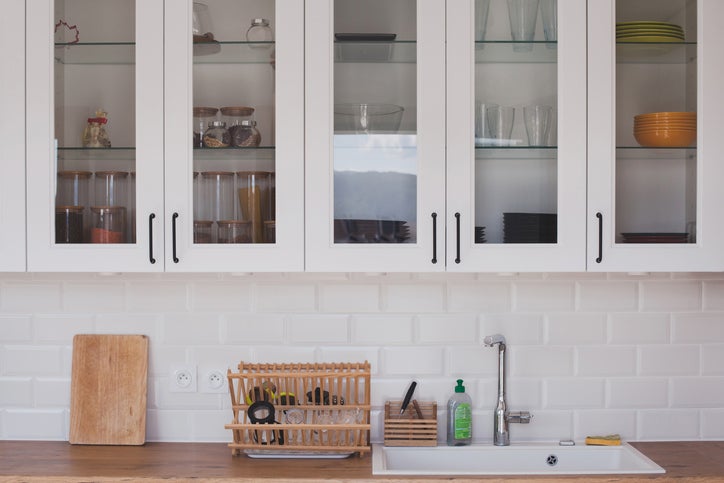
Glass cabinets
Inset Cabinetry: Omega offers inset cabinetry, which sets the door back in line with the cabinet frame. This style adds detail and creates a more furniture-inspired look.
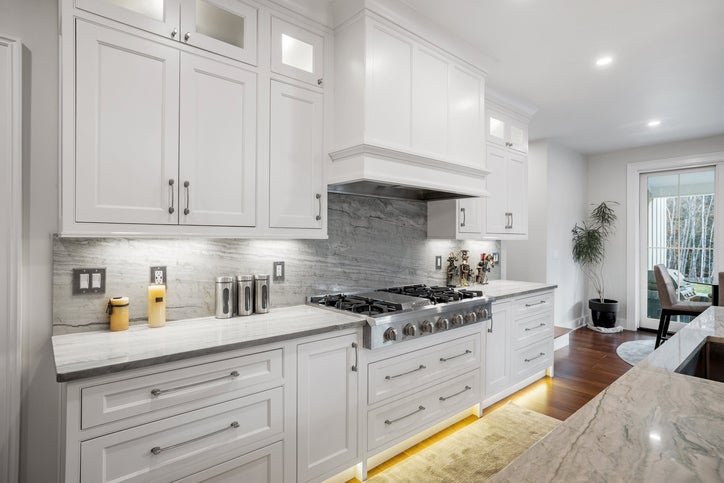
Inset cabinetry
Finishes & Hardware
On-Trend Finishes: Fabuwood, KraftMaid, and Omega provide factory-applied, multi-coat finishes that resist fading, moisture, and daily wear. Using two or more cabinet finishes can create contrast and help define different areas within a space. When done thoughtfully, multiple finishes can make a room feel more layered and intentional.
Textured Knobs & Handles: If you want a quick refresh, new hardware from Top Knobs can add tactile warmth and character that contrasts beautifully with the cabinet faces.
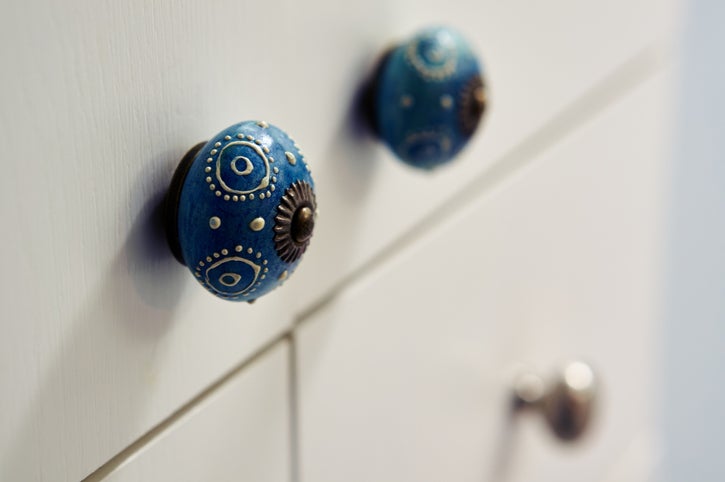
Textured kitchen knobs add character
Integrated J-Pulls: If you love the hardware-free look, Omega offers precision-milled J-pull profiles along the top edge of the door, giving you seamless sightlines.
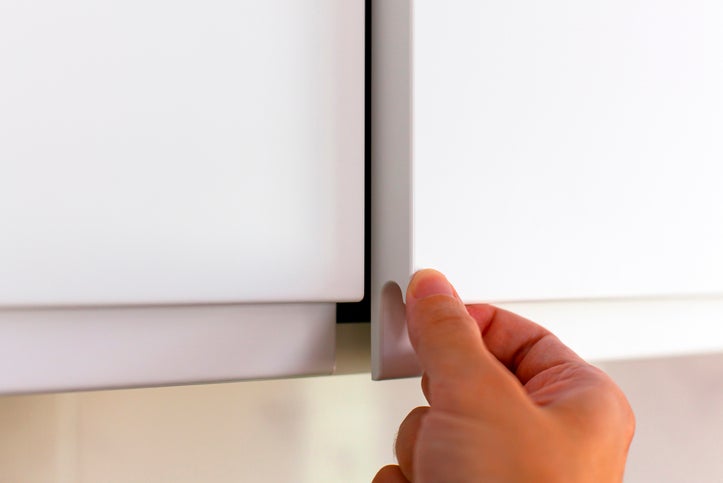
J pulls create a clean look
Combining Details
You don’t have to stop at one detail; pairing different finishes, door styles, materials, and decorative elements lets a space feel personalized without making every cabinet the same.
The Bottom Line
The growing interest in decorative details reflects a larger shift toward homes that feel more personal, layered, and intentionally designed.
The key is finding the right balance. Decorative features should enhance the design without overwhelming the space or sacrificing functionality. Premier cabinet lines like Omega, KraftMaid, and Fabuwood offer endless style options, superior durability, and a kitchen designed for real life.
Ready to Design Your Dream Kitchen?
Make an appointment with me or any member of our design team and visit our showrooms today to explore door samples, test hardware in person, and see how we work together to transform your kitchen from ordinary to amazing!

Chloe Sorrell
GNH Lumber & Home
Kitchen & Bath Designer